Cucumbers and Tomatoes Growing Together in the Garden
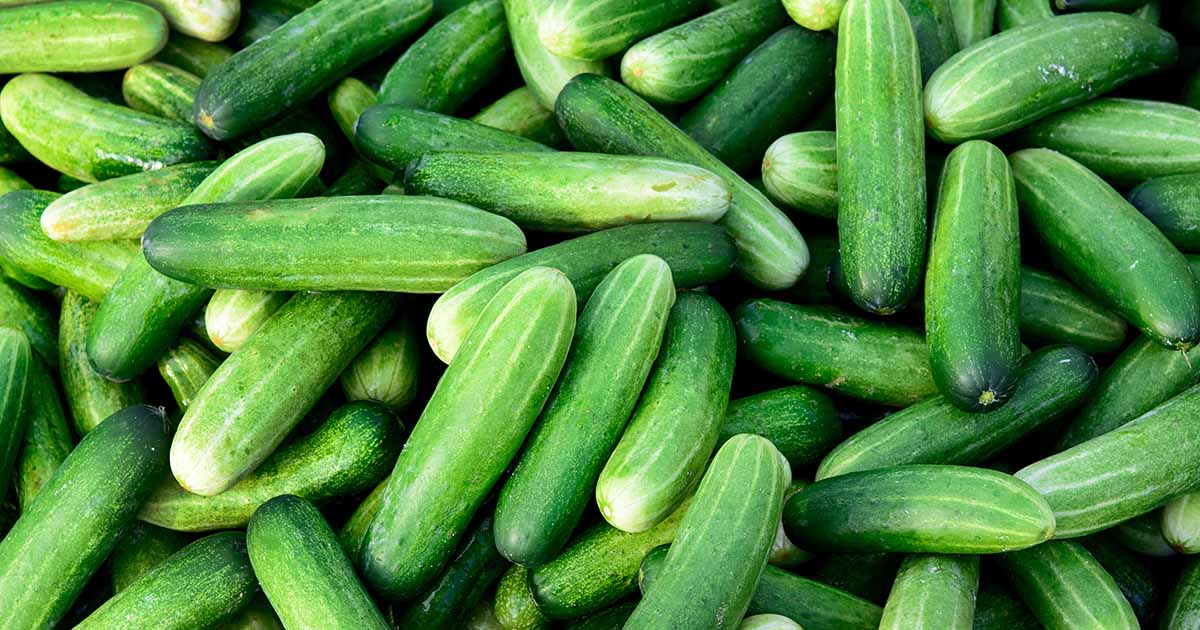
Got big dreams of vine-ripened tomatoes and crisp cucumbers dancing across your summer salads? The good news is, youcanoften grow these two garden staples side-by-side. It takes planning, a little know-how, and an understanding of each plant’s specific needs, but the payoff – a bountiful harvest from a compact space – is well worth the effort. Let's dive into how to successfully cultivate cucumbers and tomatoes together in your garden.
The Art of Growing Cucumbers and Tomatoes in Harmony
Companion planting, the practice of growing different plants together for mutual benefit, can be a powerful tool in the garden. While tomatoes and cucumbers have different needs, with careful planning, they can coexist and even thrive together. The key lies in understanding their individual requirements for sunlight, water, nutrients, and support, and then creating a garden environment that satisfies both. Think of it as setting up a tiny, productive ecosystem right in your backyard.
Sunlight: A Shared Need, Strategically Met
Both tomatoes and cucumbers are sun-loving plants, requiring at least 6-8 hours of direct sunlight per day. When planting them together, orient your rows or beds so that the taller tomato plants don't shade the cucumbers. Planting tomatoes on the north side of cucumbers is generally a good strategy in the Northern Hemisphere. This allows the cucumbers to bask in the sun while the tomatoes are not blocking them. If possible, choose cucumber varieties that are less sun-demanding or more tolerant of partial shade if your garden has limited sun exposure.
Watering and Humidity: Finding the Balance
Tomatoes prefer consistent watering, but they dislike having wet foliage, which can lead to fungal diseases. Cucumbers, on the other hand, enjoy slightly more humid conditions. To accommodate both, focus watering at the base of the plants, using drip irrigation or a soaker hose. This delivers water directly to the roots, minimizing leaf wetness and reducing the risk of fungal problems for the tomatoes. Mulching around both plants will also help retain moisture in the soil and regulate soil temperature. Aim to water deeply but infrequently, allowing the soil to dry slightly between waterings. Monitor the cucumber leaves; if they start to wilt in the afternoon, it's a sign they need more water.
Nutrient Needs: Feeding Two Hungry Plants
Tomatoes and cucumbers are heavy feeders, but their nutrient requirements differ somewhat. Tomatoes benefit from a fertilizer higher in phosphorus and potassium to promote fruit production, while cucumbers need more nitrogen for vigorous vine growth. Before planting, amend your soil with compost and well-rotted manure to provide a good foundation of organic matter. During the growing season, side-dress both plants with a balanced fertilizer, following the package instructions. You can also use liquid seaweed or fish emulsion to provide micronutrients and promote healthy growth. Pay attention to leaf color; yellowing leaves can indicate a nutrient deficiency.
Step-by-Step Guide to Planting Cucumbers and Tomatoes Together
Here’s a practical guide to get you started growing cucumbers and tomatoes in companion harmony.
1. Soil Preparation: Choose a sunny location with well-drained soil. Amend the soil with plenty of compost to improve fertility and drainage. A soil p H of
6.0-6.8 is ideal for both plants.
2. Choosing Varieties: Select compact or bush-type cucumber varieties like 'Spacemaster' or 'Bush Champion' to minimize space requirements. For tomatoes, determinate (bush) varieties like 'Roma' or 'Celebrity' are a good choice for companion planting, as they don't grow as tall as indeterminate (vining) varieties.
3. Planting Time: Start tomato seedlings indoors 6-8 weeks before the last expected frost. Direct sow cucumber seeds outdoors after the last frost when the soil has warmed to at least 60°F (15°C). You can also start cucumber seeds indoors 3-4 weeks before transplanting, but be gentle when transplanting as they don't like root disturbance.
4. Spacing: Plant tomato seedlings 2-3 feet apart, depending on the variety. Sow cucumber seeds or transplant seedlings 12-18 inches apart. Allow enough space between rows or beds for easy access and good air circulation.
5. Support Systems: Provide sturdy support for both tomatoes and cucumbers. Tomato cages or stakes are essential for keeping tomato plants upright and preventing fruit from touching the ground. Trellises or fences are ideal for cucumbers, allowing them to climb and maximizing space. Make sure the trellises are robust to handle the weight of mature vines laden with cucumbers.
6. Planting Arrangement: A recommended arrangement is to plant the tomatoes in a row, and then plant the cucumbers in front of them, using a trellis system. Ensure the trellis doesn't block excessive light from the tomatoes.
7. Watering and Fertilizing: As mentioned before, water deeply at the base of the plants and fertilize regularly with a balanced fertilizer. Monitor soil moisture and adjust watering frequency as needed.
Addressing Common Challenges
Growing tomatoes and cucumbers together isn't always smooth sailing. Here are some common issues you might encounter and how to address them.
Pest Management: Keeping Bugs at Bay
Both tomatoes and cucumbers are susceptible to various pests, including aphids, whiteflies, spider mites, and squash bugs. Regularly inspect your plants for signs of infestation and take action promptly. Introduce beneficial insects like ladybugs and lacewings to control pest populations. Use insecticidal soap or neem oil for more severe infestations, following the product instructions carefully. Companion planting with marigolds can also help repel pests.
Disease Prevention: Minimizing Fungal Issues
Fungal diseases like powdery mildew, early blight, and Septoria leaf spot can be a problem for both tomatoes and cucumbers, especially in humid conditions. Ensure good air circulation by spacing plants adequately and pruning excess foliage. Water at the base of the plants to avoid wetting the leaves. Apply a fungicide preventatively or at the first sign of disease. Choose disease-resistant varieties whenever possible.
Blossom End Rot: A Tomato Trouble
Blossom end rot, characterized by a dark, sunken spot on the bottom of tomatoes, is caused by a calcium deficiency. Ensure your soil has adequate calcium levels by adding lime or gypsum before planting. Maintain consistent soil moisture, as fluctuations can interfere with calcium uptake. Mulching can help regulate soil moisture levels.
Cucumber Bitterness: A Flavor Faux Pas
Cucumbers can sometimes develop a bitter taste due to stress factors like inconsistent watering, high temperatures, or nutrient deficiencies. Provide consistent watering and fertilizing, and protect plants from extreme heat by providing shade during the hottest part of the day. Harvest cucumbers regularly, as overripe cucumbers tend to be more bitter.
Specific Variety Considerations
Certain tomato and cucumber varieties are better suited for companion planting than others.
Tomatoes: Determinate or bush varieties like 'Roma,' 'Celebrity,' and 'Better Bush' are a good choice, as they are more compact and easier to manage than indeterminate varieties. Cherry tomatoes like 'Sweet 100' can also be grown alongside cucumbers, but may need extra support.
Cucumbers: Bush or compact varieties like 'Spacemaster,' 'Bush Champion,' and 'Picklebush' are ideal for small gardens. Slicing cucumbers like 'Marketmore' can also be grown with tomatoes, but they require more space and support.
Consider the growth habits and space requirements of different varieties when planning your garden layout.
People Also Ask
Here are some common questions that beginner gardeners have when considering growing tomatoes and cucumbers together:
Can tomatoes grow in pots indoors?
Yes, tomatoes can be grown in pots indoors, but they require ample sunlight or grow lights, well-draining potting mix, and consistent watering. Choose a pot that is at least 12 inches in diameter and select dwarf or compact varieties that are suitable for container growing.
Do tomatoes need full sun all day?
Tomatoes thrive in full sun, requiring at least 6-8 hours of direct sunlight per day. Insufficient sunlight can lead to leggy growth, reduced fruit production, and increased susceptibility to diseases.
What helps tomatoes grow faster?
Several factors can help tomatoes grow faster, including warm temperatures, well-drained soil, adequate sunlight, consistent watering, and regular fertilization. Pruning suckers (the small shoots that grow between the main stem and branches) can also help direct the plant's energy towards fruit production.
Harvest Time and Beyond
Harvest tomatoes when they are fully colored and slightly soft to the touch. Cucumbers are typically harvested when they are 6-8 inches long, depending on the variety. Regular harvesting encourages continued fruit production. After the growing season, remove all plant debris from the garden to prevent diseases and pests from overwintering. Amend the soil with compost and cover it with a layer of mulch to prepare it for the next growing season.
Growing tomatoes and cucumbers together can be a rewarding experience. With careful planning, attention to detail, and a little bit of patience, you can enjoy a bountiful harvest of these delicious garden staples. Don't be afraid to experiment and adapt your methods as needed. Happy gardening!
Posting Komentar untuk "Cucumbers and Tomatoes Growing Together in the Garden"