Does Picking Tomatoes Make More Grow Faster
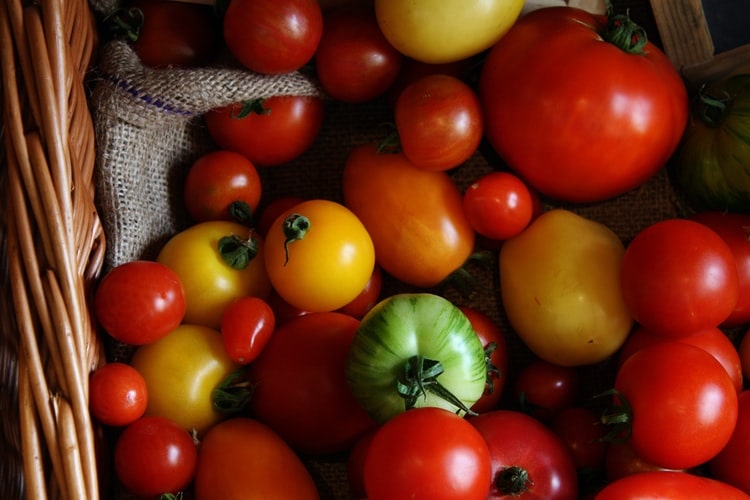
Do you dream of a summer overflowing with juicy, sun-ripened tomatoes straight from your own garden? Whether you're a seasoned green thumb or just starting your gardening journey, understanding how to maximize your tomato harvest is key. A common question among growers is: Does picking tomatoes actually encourage more to grow, and faster? Let's dive into the science and secrets behind maximizing your tomato yield.
The Tomato Harvesting Cycle: Picking and Production
The answer to whether picking tomatoes stimulates further growth is a resoundingyes! Think of your tomato plant as an energy distribution system. When a tomato ripens and remains on the vine, the plant dedicates energy to maintaining that fruit. By harvesting ripe tomatoes, you're essentially freeing up the plant's resources, signaling it to redirect its energy towards developing new fruits and ripening existing ones. This leads to a continuous cycle of flowering, fruiting, and ripening, resulting in a larger and potentially faster harvest overall.
This principle applies to all types of tomatoes, from the tiny cherry tomatoes bursting with flavor to the hefty beefsteak varieties perfect for slicing. The more diligent you are about harvesting ripe tomatoes, the more productive your plant will be throughout the growing season. Think of it as a virtuous cycle: picking leads to more growth, which leads to more picking!
Essential Steps for a Bountiful Tomato Harvest
To truly maximize your tomato harvest and ensure continuous production, several key gardening practices are essential. It's notjustabout picking ripe fruit, but about creating the ideal environment for your plants to thrive.
1. Soil Preparation is Paramount: Tomatoes are heavy feeders, meaning they require a nutrient-rich soil to fuel their growth. Before planting, amend your garden bed or container with plenty of compost, well-rotted manure, or other organic matter. The ideal soil p H for tomatoes is slightly acidic, between
6.0 and
6.8. A soil test can help you determine the p H of your soil and identify any nutrient deficiencies.
2. Choosing the Right Tomato Variety: Consider your climate and available space when selecting tomato varieties. Determinate varieties (like Roma) grow to a specific size and produce most of their fruit at once, making them ideal for canning and smaller spaces. Indeterminate varieties (like cherry, beefsteak, and heirloom) continue to grow and produce fruit throughout the season, requiring staking or caging for support.
3. Sunlight is Crucial: Tomatoes need at least 6-8 hours of direct sunlight per day to thrive. Insufficient sunlight can lead to leggy growth, poor fruit production, and increased susceptibility to diseases. Choose a sunny location in your garden or, if growing in containers, place them where they'll receive ample sunlight.
4. Watering Wisely: Consistent and even watering is essential for healthy tomato growth. Avoid overwatering, which can lead to root rot, and underwatering, which can cause blossom end rot (a calcium deficiency). Water deeply at the base of the plant, preferably in the morning, to allow the foliage to dry before evening, reducing the risk of fungal diseases. Aim for approximately 1-2 inches of water per week, depending on weather conditions.
5. Staking or Caging for Support: Indeterminate tomato varieties, in particular, benefit greatly from staking or caging. This helps to support the heavy fruit load, prevent the plants from sprawling on the ground, and improve air circulation, reducing the risk of disease. Install stakes or cages early in the growing season, before the plants become too large.
6. Pruning for Productivity: Pruning suckers (the small shoots that grow between the main stem and the branches) can help to improve airflow and redirect the plant's energy towards fruit production. Focus on removing suckers below the first flower cluster. Be careful not to over-prune, as foliage is important for photosynthesis.
7. Fertilizing for Vigorous Growth: Tomatoes benefit from regular fertilization throughout the growing season. Use a balanced fertilizer specifically formulated for tomatoes, following the package instructions. Avoid over-fertilizing with nitrogen, which can lead to excessive foliage growth at the expense of fruit production. Consider side-dressing with compost or adding a liquid fertilizer every few weeks.
8. Pest and Disease Management: Monitor your tomato plants regularly for signs of pests and diseases. Common pests include aphids, tomato hornworms, and whiteflies. Common diseases include early blight, late blight, and Septoria leaf spot. Take action promptly to control pests and diseases, using organic methods whenever possible.
Troubleshooting Common Tomato Growing Challenges
Even with the best care, tomato plants can sometimes encounter problems. Here's how to address some common challenges: Yellowing Leaves: Yellowing leaves can indicate a variety of problems, including nutrient deficiencies, overwatering, underwatering, or disease. Check the soil moisture, p H, and nutrient levels. Tomatoes Not Setting Fruit: Several factors can contribute to poor fruit set, including extreme temperatures, lack of pollination, and insufficient sunlight. Ensure your plants receive adequate sunlight, water, and nutrients. You can also gently shake the plant to help with pollination, especially when growing indoors. Blossom End Rot: This condition, characterized by a dark, leathery spot on the bottom of the tomato, is caused by a calcium deficiency. Ensure consistent watering and consider adding calcium to the soil. Tall and Leggy Plants: This is often a sign of insufficient sunlight. Move your plants to a sunnier location or supplement with artificial light. Pruning suckers can also help to improve airflow and encourage bushier growth.
Can tomatoes grow in pots indoors?
Absolutely! Choose determinate or dwarf varieties, provide ample light (either natural or artificial), and use a large container with good drainage. Consistent watering and fertilization are also essential.
Do tomatoes need full sun all day?
Ideally, yes. Tomatoes thrive with 6-8 hours of direct sunlight per day. However, they can still produce fruit with slightly less, especially in warmer climates where afternoon shade can be beneficial.
What helps tomatoes grow faster?
Optimal sunlight, consistent watering, nutrient-rich soil, regular fertilization, and strategic pruning all contribute to faster tomato growth. Harvesting ripe fruit promptly also encourages the plant to produce more.
Companion Planting for Tomato Success
Consider incorporating companion plants around your tomatoes to enhance their growth and protect them from pests.
Basil: Repels tomato hornworms and whiteflies, and improves tomato flavor. Marigolds: Repel nematodes and other soil pests. Carrots: Improve soil drainage and aeration. Garlic: Deters aphids and other pests. Cucumbers:Provide ground cover and help to retain moisture.
Maximizing Harvest with Smart Harvesting Techniques
Picking tomatoes at the peak of ripeness is crucial for flavor and continued production. Tomatoes are typically ready to harvest when they are fully colored, slightly soft to the touch, and easily detach from the vine. Gently twist or snip the tomato from the plant, leaving a small piece of the stem attached. Avoid pulling the tomato, as this can damage the plant.
Harvesting regularly, even if you don't need the tomatoes immediately, signals the plant to keep producing. Overripe tomatoes left on the vine can inhibit further fruit development. Store ripe tomatoes at room temperature for the best flavor. Avoid refrigerating them, as this can diminish their taste and texture.
Growing tomatoes is a rewarding experience that can bring a taste of summer right to your table. By understanding the principles of plant energy, following best gardening practices, and diligently harvesting your ripe tomatoes, you can enjoy a bountiful and continuous harvest all season long. So, get your hands dirty, embrace the process, and savor the fruits (or vegetables!) of your labor. Happy gardening!
Posting Komentar untuk "Does Picking Tomatoes Make More Grow Faster"